
Shop by Categories
.jpg)
.jpg)
.jpg)
.jpg)
.jpg)
.jpg)
.jpg)

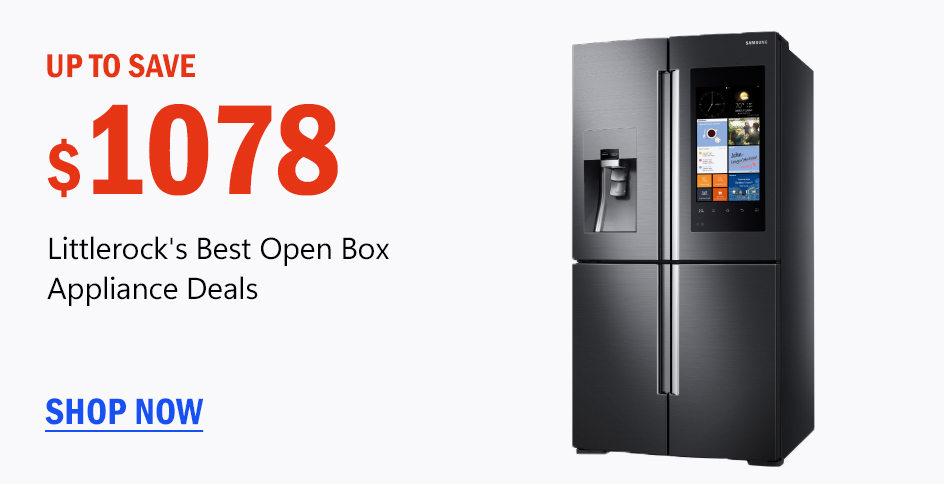
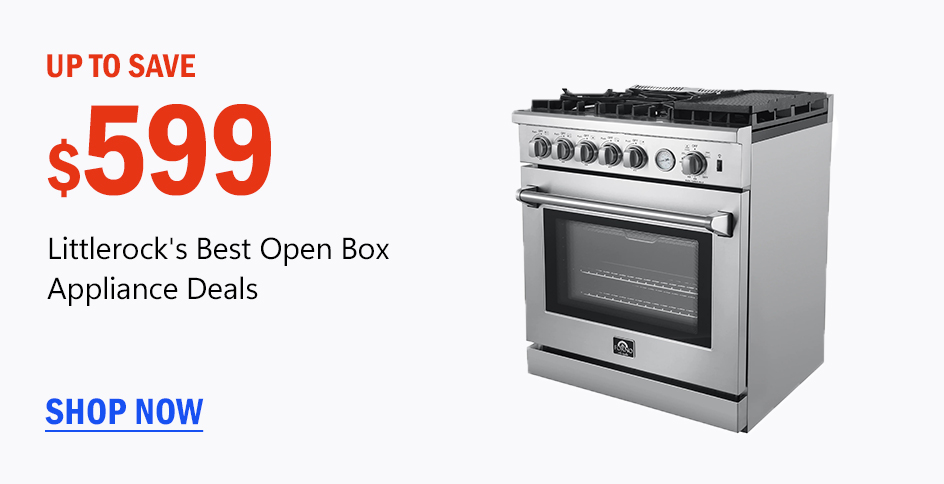
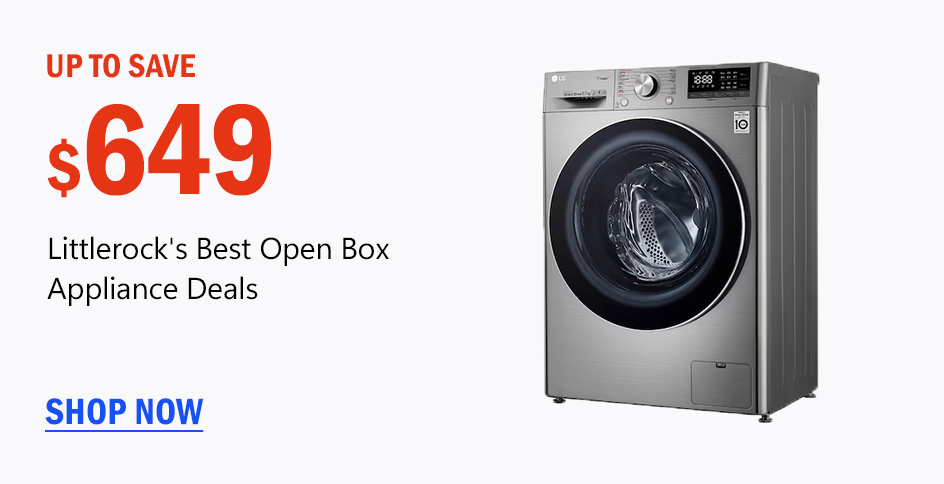
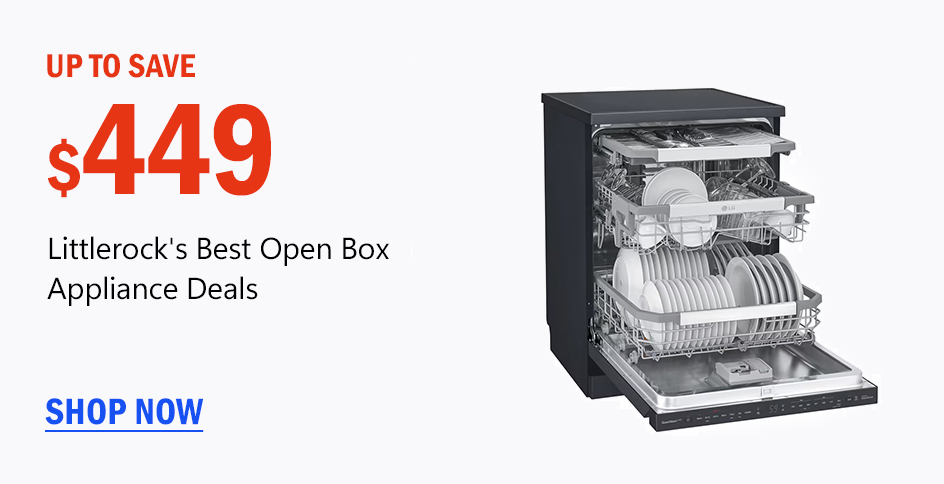




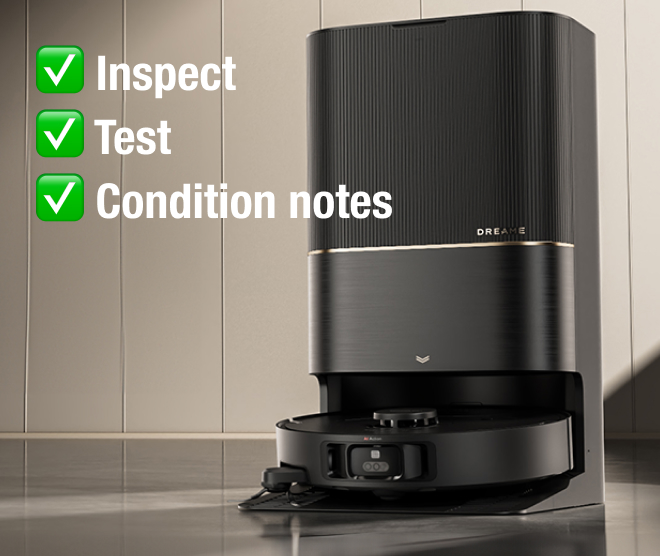


Little Rock’s #1 Open Box Appliance Pay for the appliance — not showroom markup.
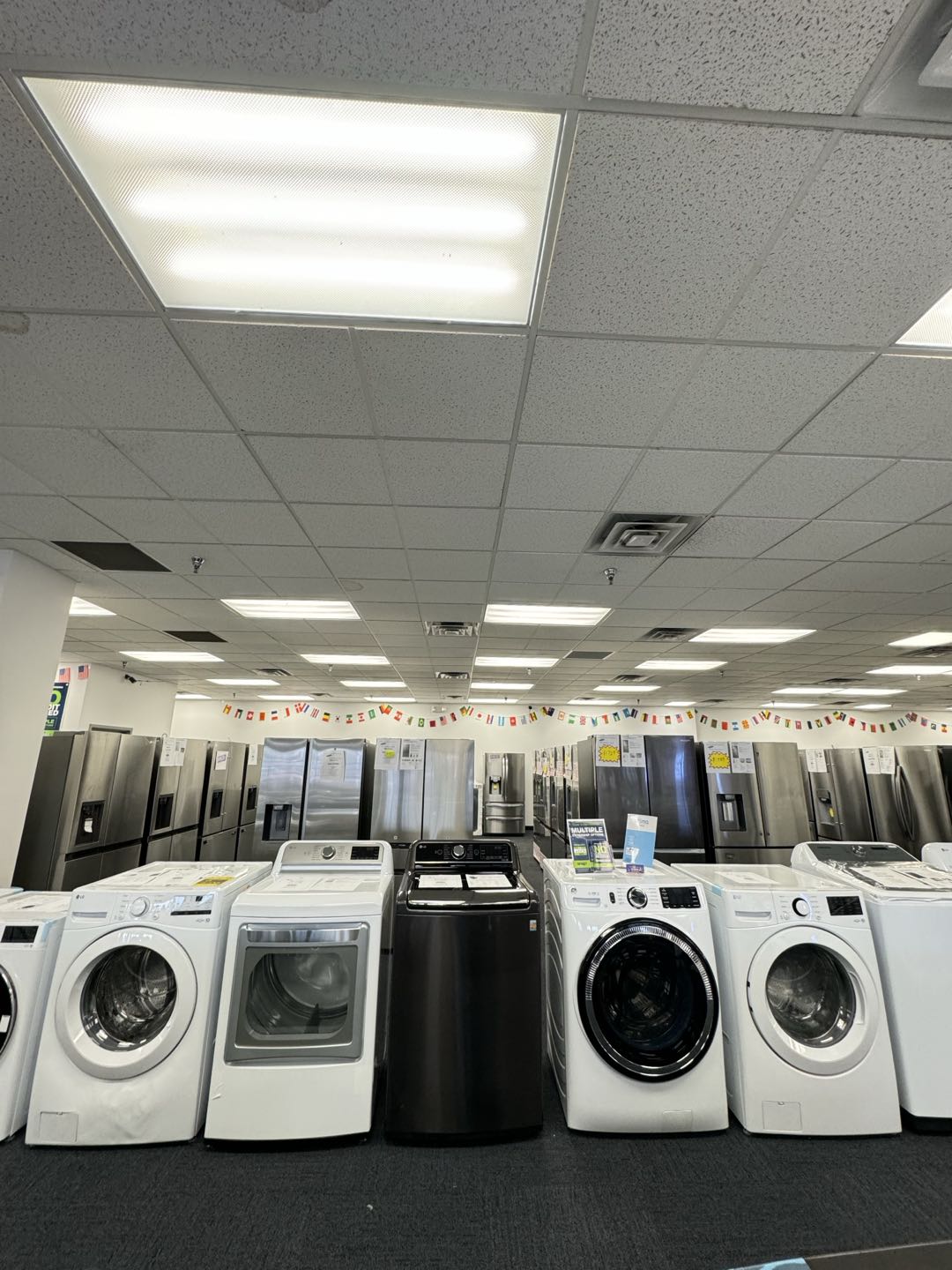
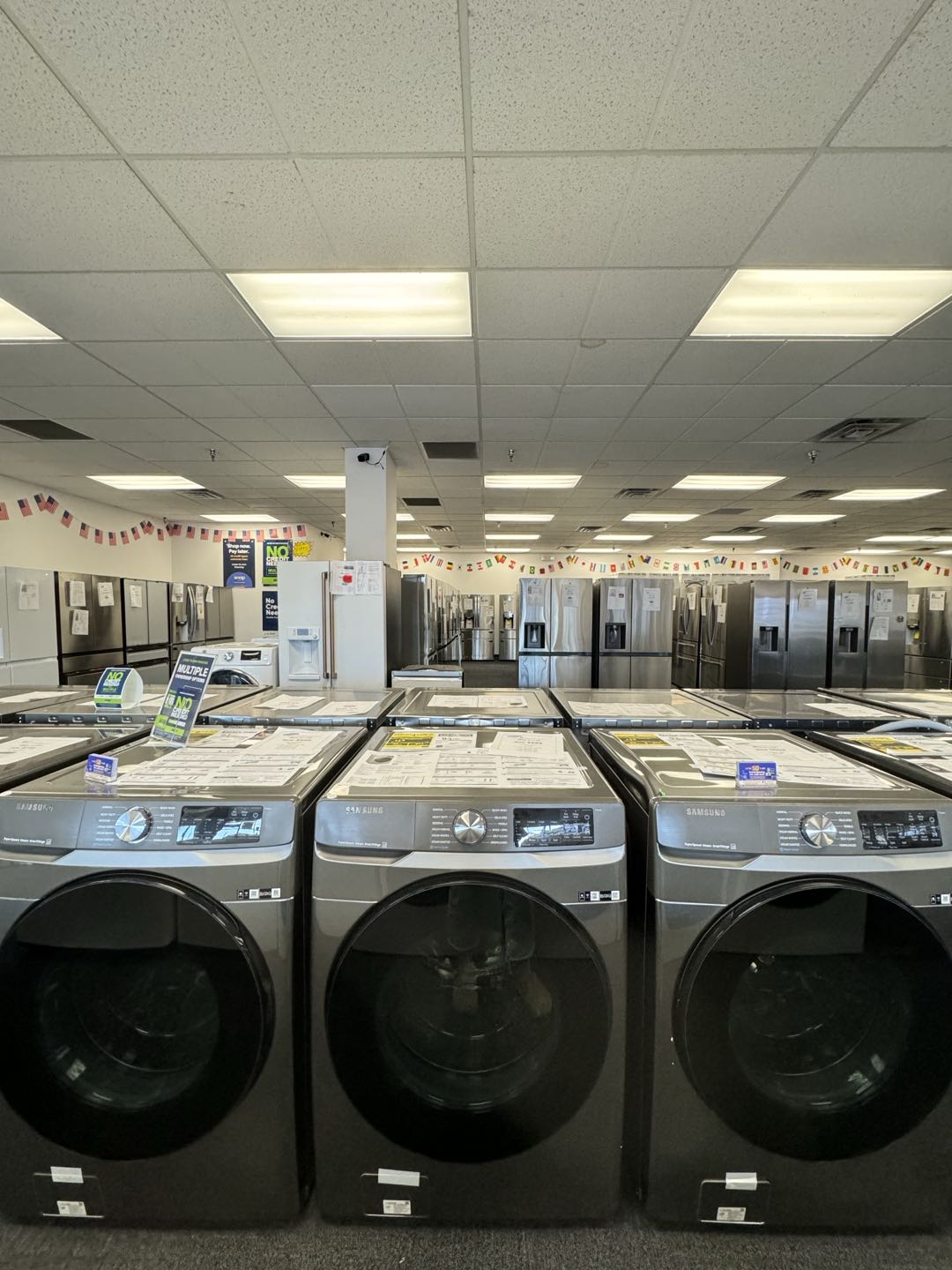
Your Little Rock Open-Box Appliance Store
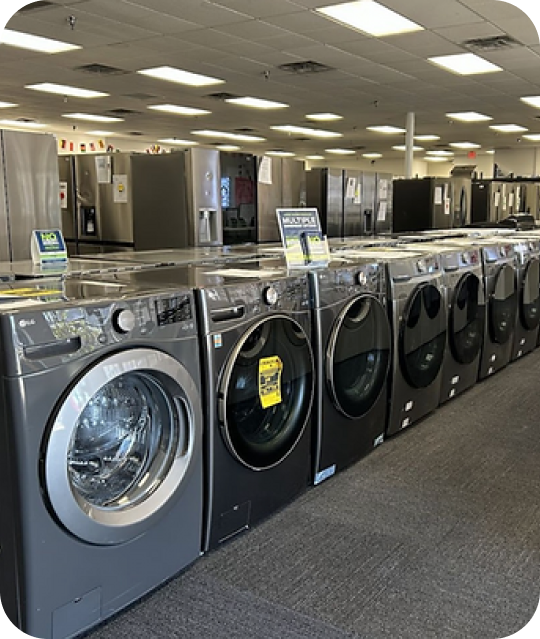
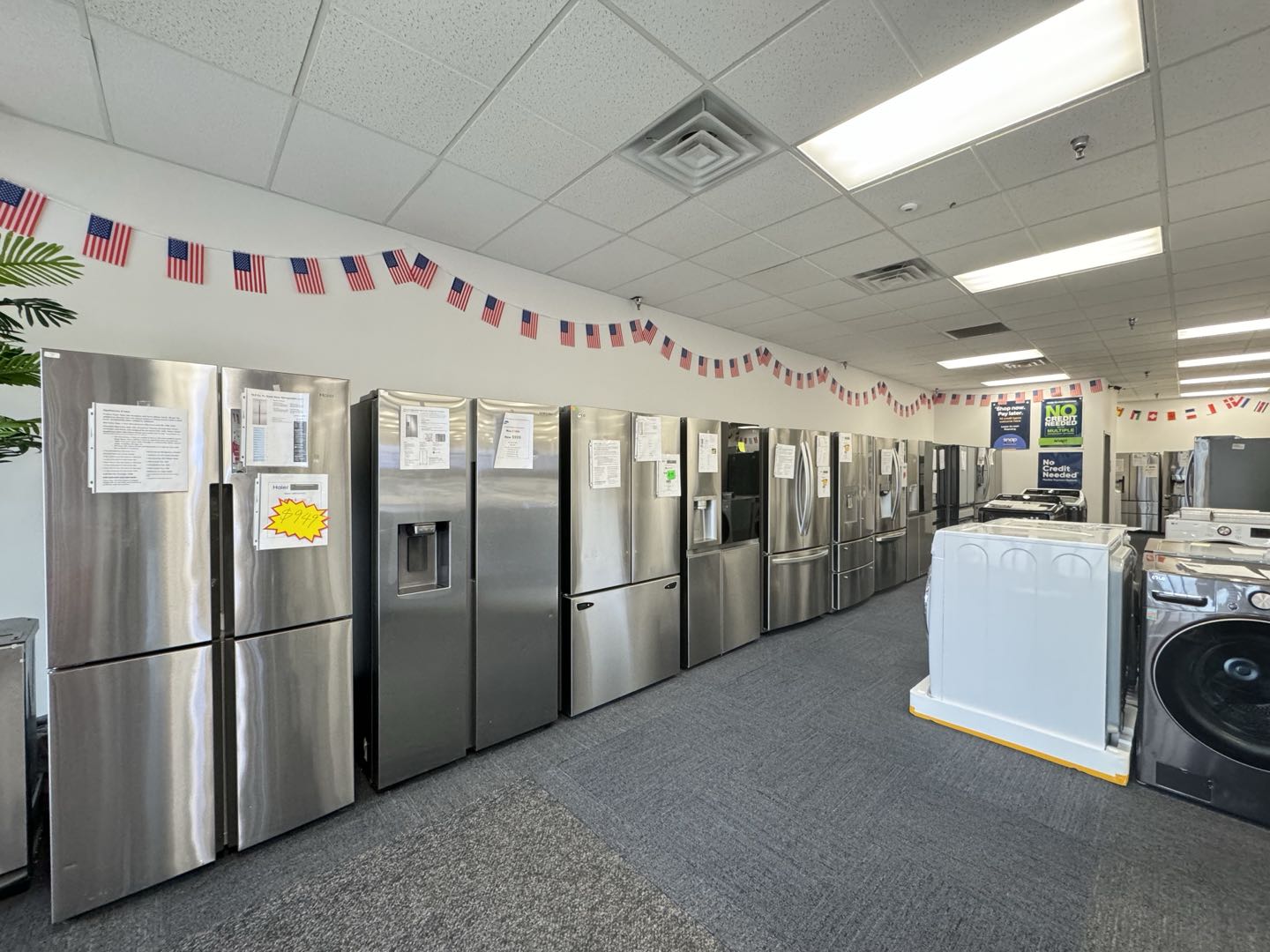
Why pay full retail for a perfect cardboard box? We offer tested open-box appliances, plus select scratch-and-dent inventory, at prices that reflect condition and value.

How We Keep Prices Low (and Quality High)
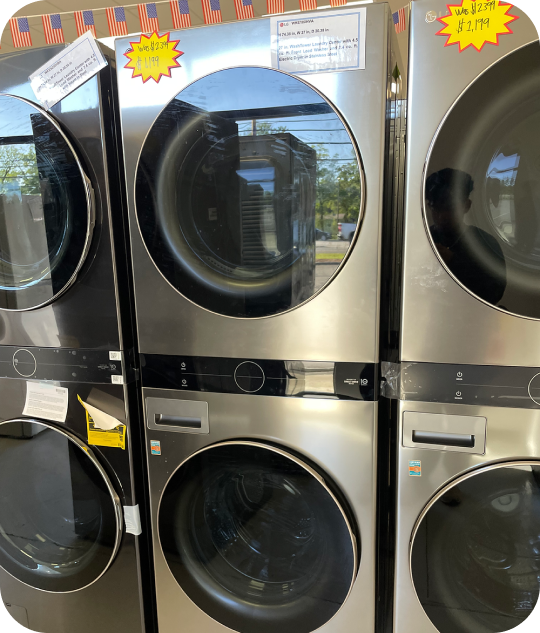
Open-box works like this: once an item is returned or opened, big retailers often can’t sell it as “new,” so it gets priced down. We keep prices low by sourcing those units, testing everything, documenting condition, and running lean—so quality stays high without showroom markups.

Real Savings, Delivered
From kitchen upgrades to laundry-room refreshes, our customers choose open-box to save big without guessing. Every week is different, but the goal stays the same: honest pricing and appliances that work.




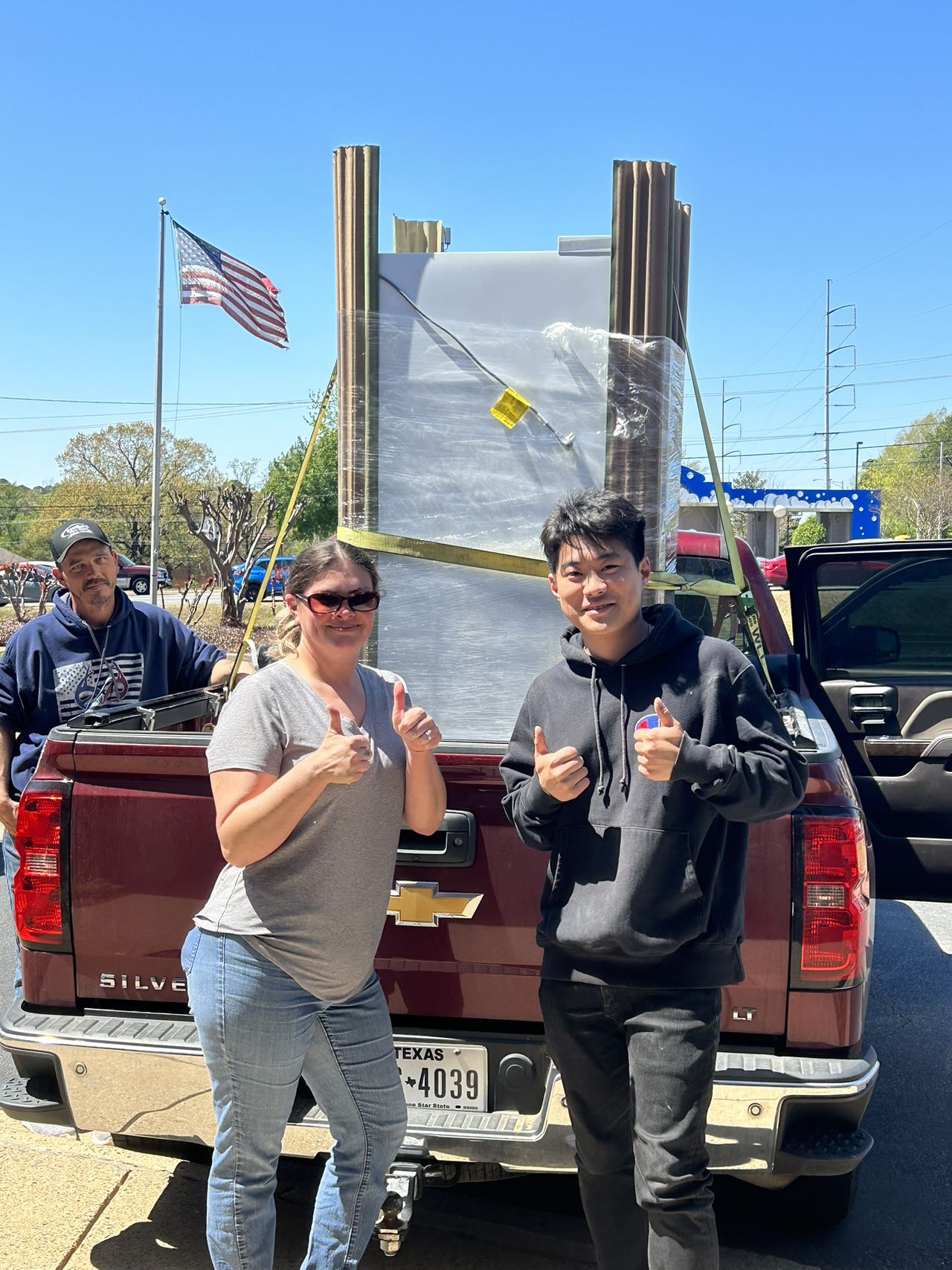
Local, Trusted, and Built on Referrals
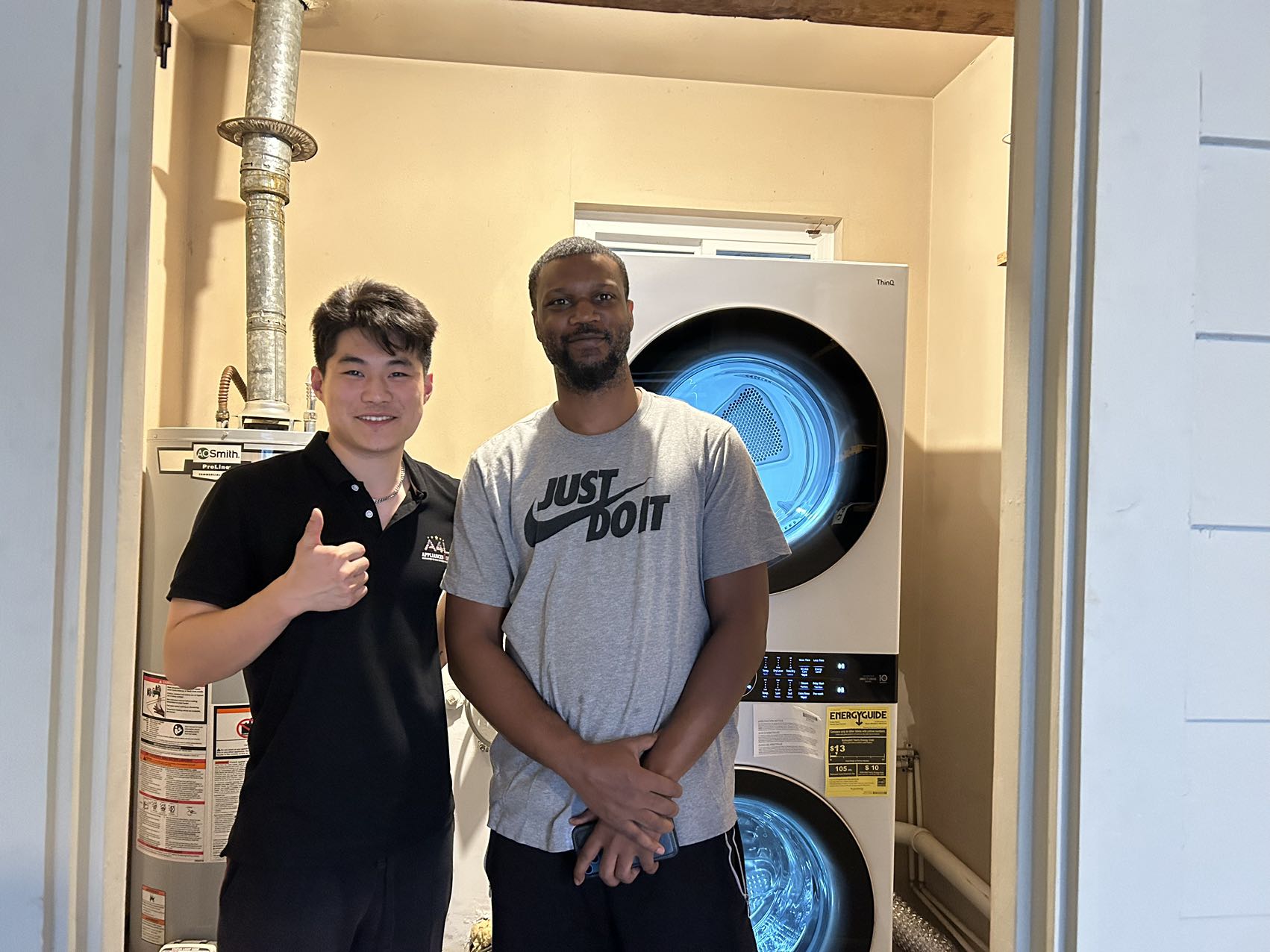
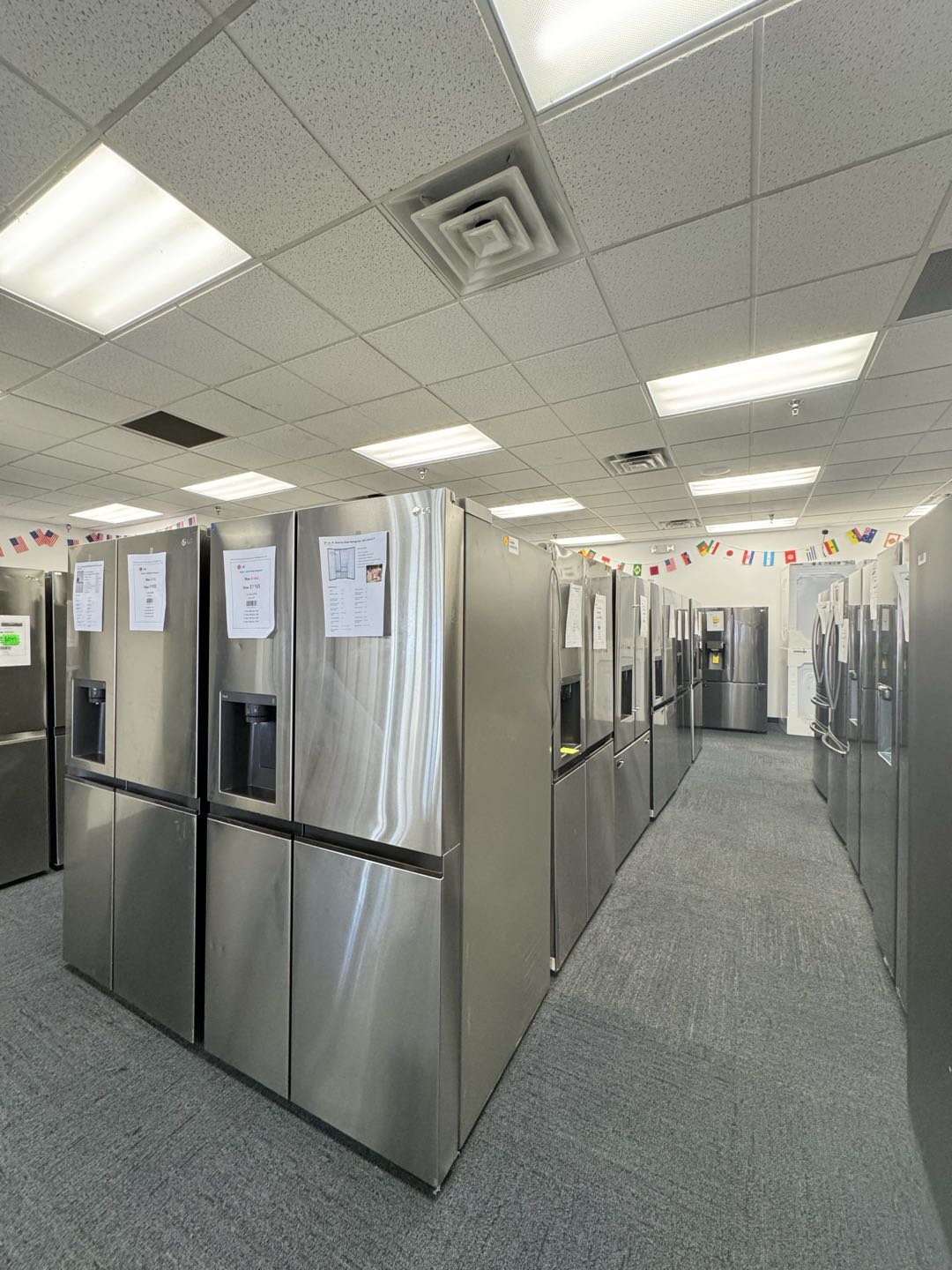
We’re a local Appliances 4 Less store serving Sugar Land families with tested open-box appliances—unused returns and floor models that can’t be sold as “new.” We keep prices fair by running lean, pricing by condition, and being upfront about what you’re buying.

Experienced staff
Our team tests, cleans and documents every appliance, so you can buy with confidence.
Community focus
Our business grows through repeat customers and referrals, not big‑box markups.
Honest Savings, Zero Guessing
Open-box is only risky when it’s not transparent. We keep it simple: tested units, clear condition notes, and pricing that reflects inventory—not showroom markups.
High-End Brands, Lower Prices
Save big vs MSRP because open-box inventory can’t be sold as “new.” (Deals vary by model/condition.)
Tested & Verified Function
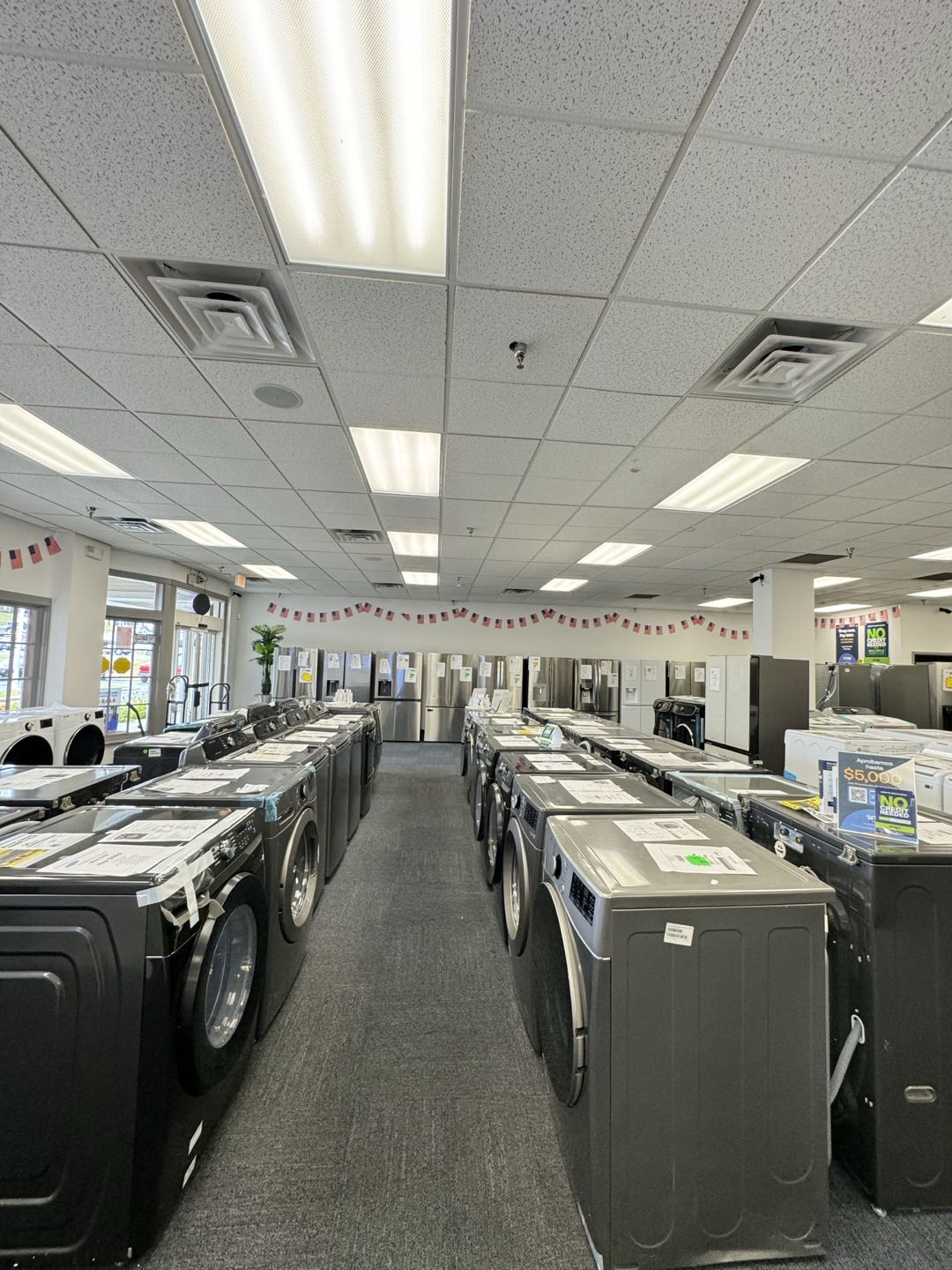
Every unit is inspected and tested for core functions. Ask us for the testing checklist and your unit’s notes.
Less Waste, More Value
Buying returns gives appliances a second life and helps reduce landfill waste—without overpaying for packaging.
_1.jpg)
Real People. Real Open-Box Wins.
Open-box only feels risky when the details are hidden. Customers come to Appliances 4 Less for clear condition notes, tested units, and no-pressure help finding the right fit. Here are a few stories we hear again and again.

Excellent purchase with GREAT Customer Service! Rhea is who we were communicating with over FB Messenger and then in store. She is SO PATIENT! LOVE HER! Will be back to purchase our next major appliance, like the steamer! 😊😀

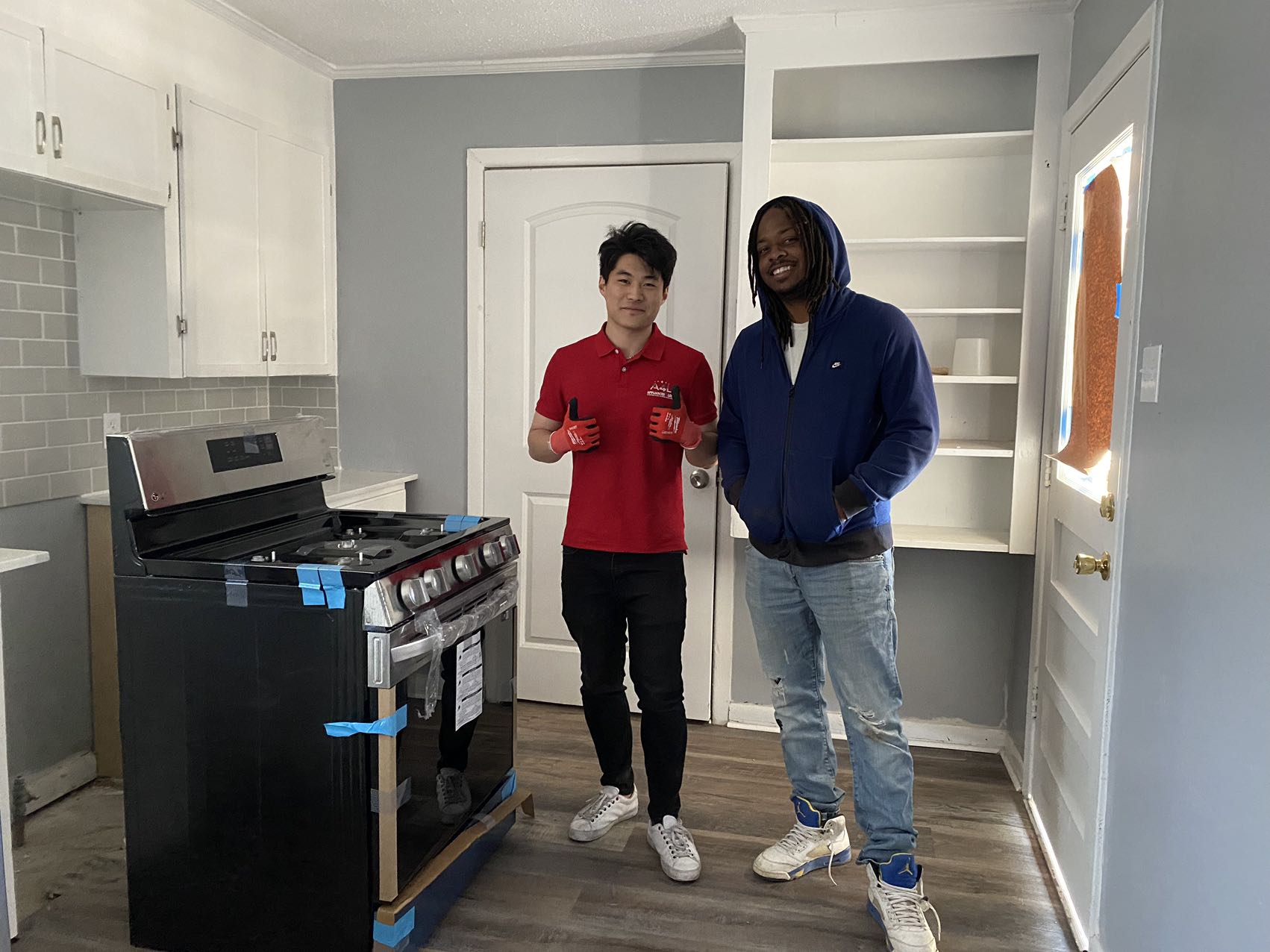
Highly recommend this company! They do great deals and provide outstanding service. We bought a fridge and stove and couldn’t be happier with our purchase. The team answered all of our questions, responded very quickly to a couple of issues we had, and essentially bent over backwards to make sure we were completely happy with both the fridge and the stove. Would definitely buy from them again.

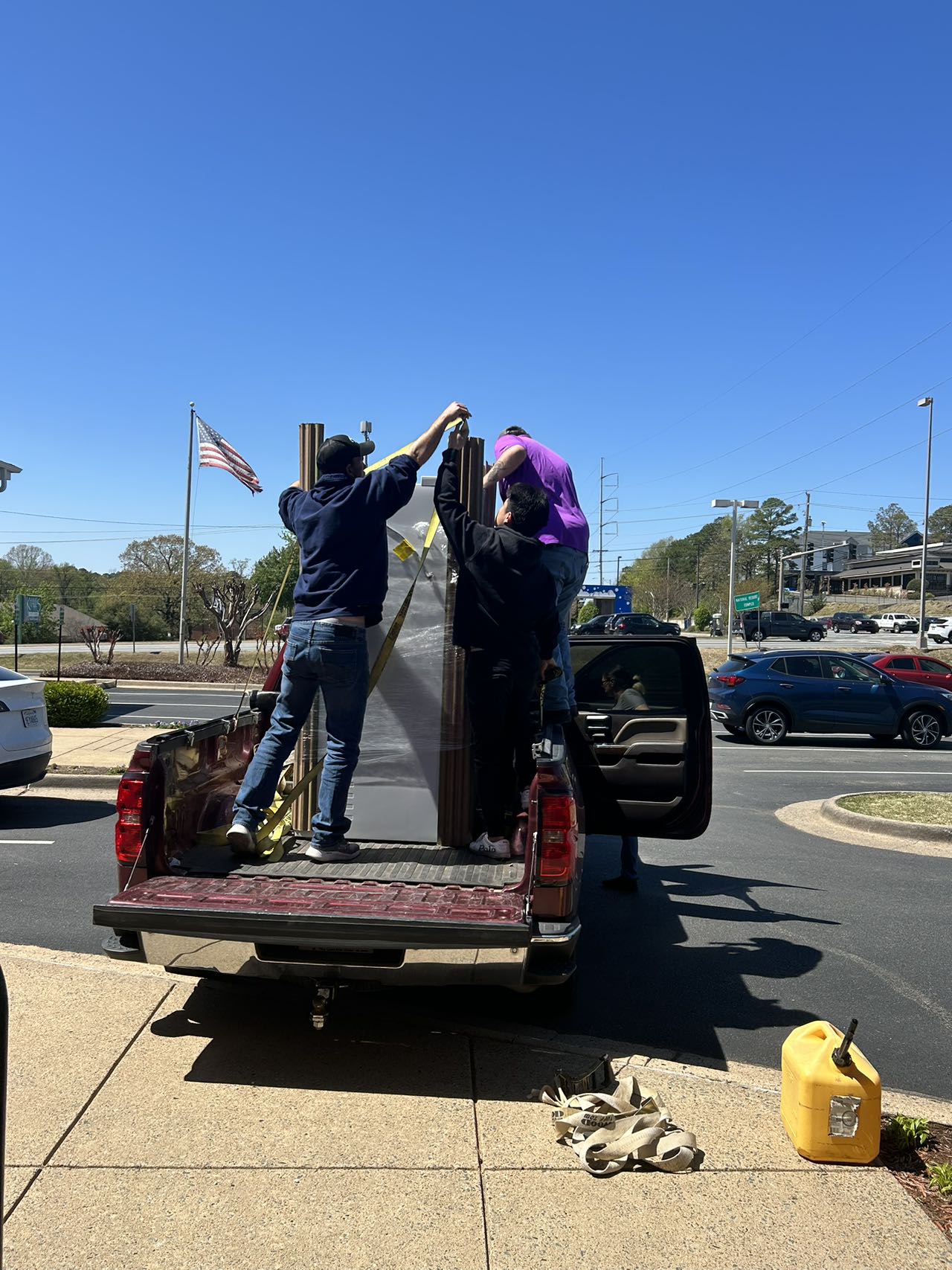
Amazing prices but the customer service is even better! We were having a hard time getting our old fridge out and the delivery team went above and beyond to help us when they didn’t have to! 100 percent recommend!!!

Amazing experience! Dylan went above and beyond — stayed open late to help me pick out a fridge and made sure I got the best deal. They delivered it the very next day and even included a 3-year warranty. Super trustworthy and helpful people — highly recommend Appliances 4 Less Little Rock!

Wow! We went in at 10:30 this morning to look at refrigerators and we ended up buying one. Appliances 4 Less delivered it to the house, removed the old one and left around 2:00 this afternoon.
Fantastic selection, price and service. I am so glad that we found them!
Very courteous and kind. We were welcomed and noticed right away. Jessie was knowledgeable and very helpful with the washer and dryer needs for our family. Very enjoyable and laid back experience. Loved the classic rock playing on the speakers too! Will be making this store our “Go To” appliance store from now on!

I had a great experience at Appliances 4 Less Little Rock! The team provided excellent service from start to finish. They have the best prices in town and a huge selection of appliances to choose from. I ended up getting a refrigerator at an unbeatable deal. Highly recommend this place to anyone looking for quality appliances and top-notch service!
Excellent purchase with GREAT Customer Service! Rhea is who we were communicating with over FB Messenger and then in store. She is SO PATIENT! LOVE HER! Will be back to purchase our next major appliance, like the steamer! 😊😀
Highly recommend this company! They do great deals and provide outstanding service. We bought a fridge and stove and couldn’t be happier with our purchase. The team answered all of our questions, responded very quickly to a couple of issues we had, and essentially bent over backwards to make sure we were completely happy with both the fridge and the stove. Would definitely buy from them again.
Amazing prices but the customer service is even better! We were having a hard time getting our old fridge out and the delivery team went above and beyond to help us when they didn’t have to! 100 percent recommend!!!
Amazing experience! Dylan went above and beyond — stayed open late to help me pick out a fridge and made sure I got the best deal. They delivered it the very next day and even included a 3-year warranty. Super trustworthy and helpful people — highly recommend Appliances 4 Less Little Rock!
Wow! We went in at 10:30 this morning to look at refrigerators and we ended up buying one. Appliances 4 Less delivered it to the house, removed the old one and left around 2:00 this afternoon.
Fantastic selection, price and service. I am so glad that we found them!
Very courteous and kind. We were welcomed and noticed right away. Jessie was knowledgeable and very helpful with the washer and dryer needs for our family. Very enjoyable and laid back experience. Loved the classic rock playing on the speakers too! Will be making this store our “Go To” appliance store from now on!
I had a great experience at Appliances 4 Less Little Rock! The team provided excellent service from start to finish. They have the best prices in town and a huge selection of appliances to choose from. I ended up getting a refrigerator at an unbeatable deal. Highly recommend this place to anyone looking for quality appliances and top-notch service!

5 Star Customer Service. The installation staff are very knowledgeable; I highly recommend the install of the GE dishwasher. Thank you for a honest company. The staff are allowed tips; so you can show your appreciation and tip the staff.

I read the reviews before and a lot of amazing things were said about Jesse. And it was proven true when I went in. I appreciated the attention and care she had to help me, and her other customers at the same time. I recommend checking this place out before any other places in town. Thanks girl (Jesse) for taking care of me!

Only one sales rep and she was helping another customer when I arrived. I was greeted and I waa told she would help me as soon as she finished. She was great help and helped me get a new dryer.

If you're looking to save big without sacrificing quality, I highly recommend Appliances 4 Less Little Lock. I’ll definitely be coming back for future appliance needs!

I recently purchased a dryer here. I worked with 2 different staff members and both were so great to deal with. The whole process was easy. I’ll be buying as many things here as I can. Thank you!

Needed a washing machine badly and thanks to appliances for less was able to get one quickly and for a great price! Also the staff was really attentive and answered all our questions.

I have come here twice now to buy appliances and every time has been a delight! Amazing prices and even more amazing and friendly staff! So accommodating! Plus the products are top notch!
5 Star Customer Service. The installation staff are very knowledgeable; I highly recommend the install of the GE dishwasher. Thank you for a honest company. The staff are allowed tips; so you can show your appreciation and tip the staff.
I read the reviews before and a lot of amazing things were said about Jesse. And it was proven true when I went in. I appreciated the attention and care she had to help me, and her other customers at the same time. I recommend checking this place out before any other places in town. Thanks girl (Jesse) for taking care of me!
Only one sales rep and she was helping another customer when I arrived. I was greeted and I waa told she would help me as soon as she finished. She was great help and helped me get a new dryer.
If you're looking to save big without sacrificing quality, I highly recommend Appliances 4 Less Little Lock. I’ll definitely be coming back for future appliance needs!
I recently purchased a dryer here. I worked with 2 different staff members and both were so great to deal with. The whole process was easy. I’ll be buying as many things here as I can. Thank you!
Needed a washing machine badly and thanks to appliances for less was able to get one quickly and for a great price! Also the staff was really attentive and answered all our questions.
I have come here twice now to buy appliances and every time has been a delight! Amazing prices and even more amazing and friendly staff! So accommodating! Plus the products are top notch!
BEST SELLERS
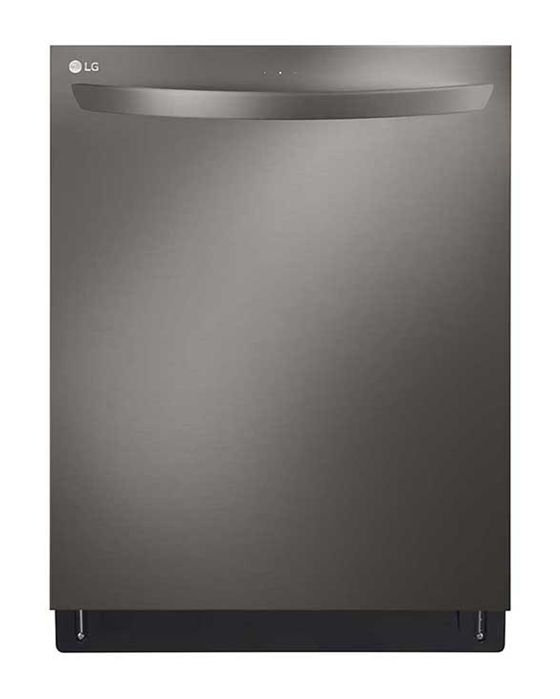

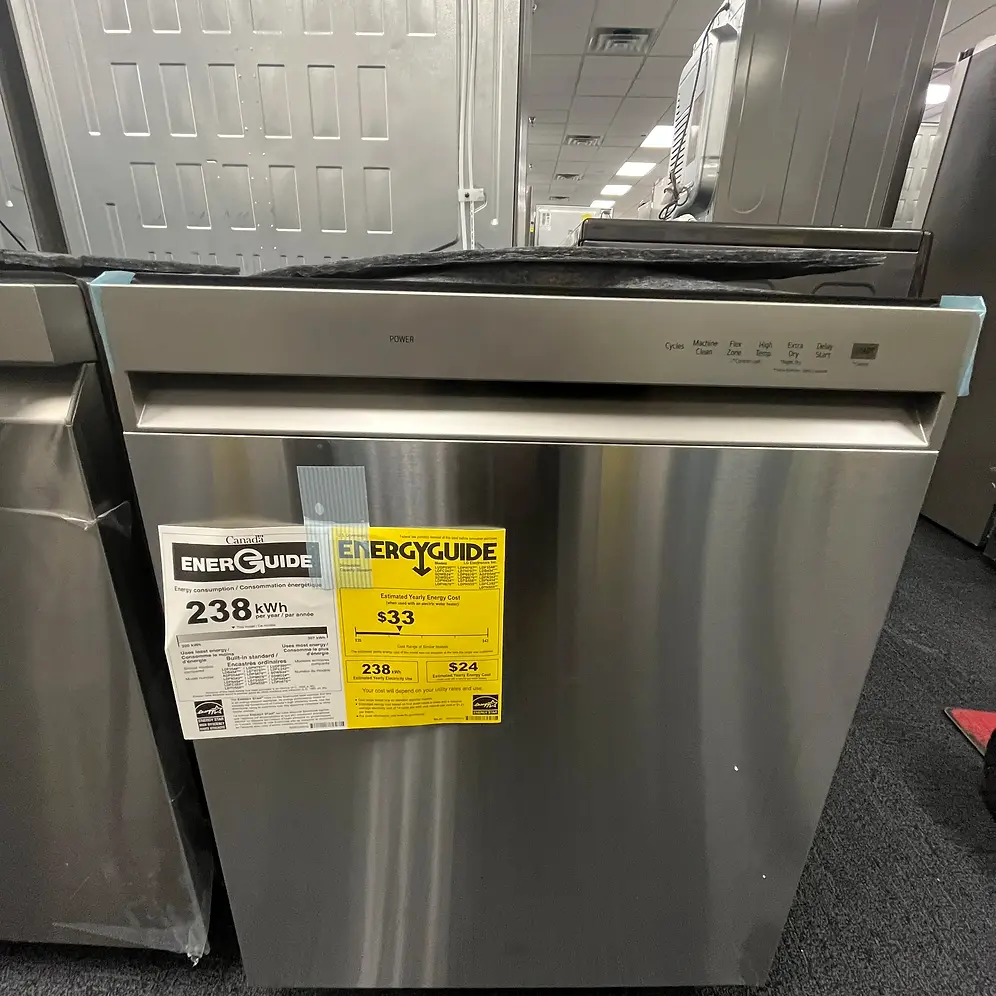

LG 9.0 cu. ft. Mega Capacity Electric Dryer w/ True Steam?
Washers

5.2 cu. ft. Mega Capacity TurboWash Washer with Steam Technology

LG SIGNATURE 5.8 cu. ft. Large Smart wi-fi Enabled Front Load Washer

5.5 cu.ft. Smart wi-fi Enabled Top Load Washer with TurboWash3D Technology

5.5 cu.ft. Mega Capacity Smart wi-fi Enabled Top Load Washer with TurboWash3D™ T

5.5 cu.ft. Mega Capacity Smart wi-fi Enabled Top Load Washer with TurboWash3D™ T

5.3 cu.ft. Mega Capacity Smart wi-fi Enabled Top Load Washer with 4-Way™ Agitato
rEFRIGERATOR
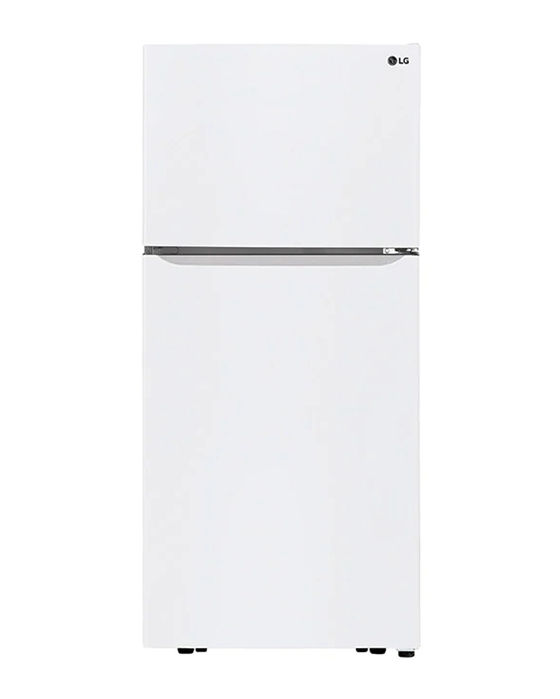
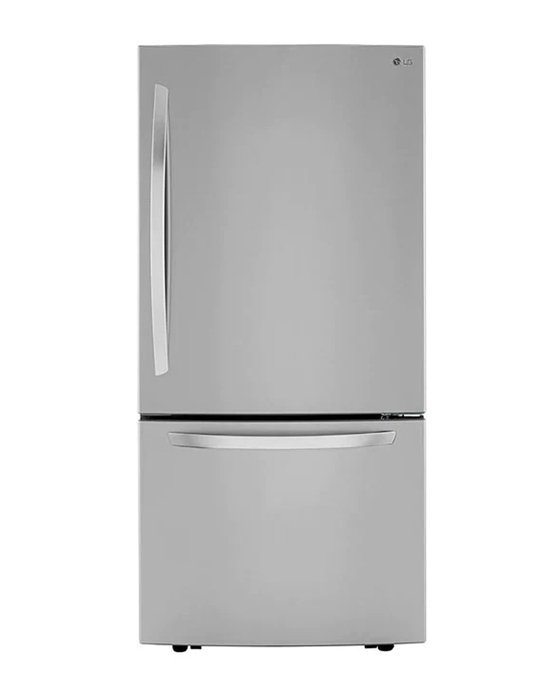
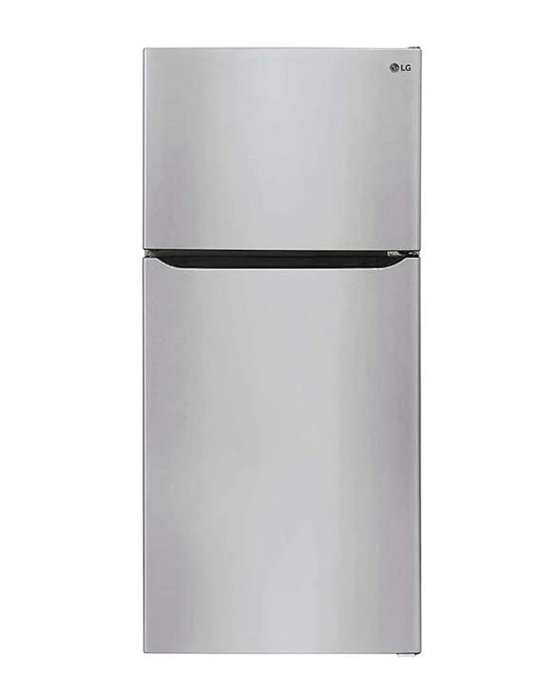

Samsung Bespoke 28.9-cu ft 4-Door Smart French Door Refrigerator with Dual Ice M

Samsung ADA 23 Cu. Ft. Fingerprint Resistant Stainless Steel Counter-Depth 4-Doo

Samsung 29.8-cu ft Smart French Door Refrigerator with Dual Ice Maker and Door w
Popular Brands






Express A4L delivery
Get your appliances delivered at home in less 48 hours.

Fully tested products
Warranty extension available

Warranty extension available
Extend the warranty of your appliances up to 4 years.

1-Year warranty
Parts and labor included with any purchase.