 Refrigerators
 Dryers
 Dishwashers
 Stoves
 Freezers
Practical 3 trick: keep the refrigerator away from listeria

Creating a cozy summer home that serves as a peaceful retreat requires careful selection of appliances that enhance comfort without compromising on style or efficiency. At Appliances 4 Less Little Rock, we cater to residents in Little Rock, Benton, Conway, and Pine Bluff with an array of open box, scratch, and dented appliances that are perfect for elevating your summer living. Here’s our guide to the essential appliances for a cozy summer home.
Refrigerators are not food safes, and low temperatures can also be dangerous. Listeria, as the 1 kind of psychrophilic bacteria, can survive and reproduce under refrigerated conditions, threatening the health of family members. This article will introduce you to the practical skills of the refrigerator against listeria, so that the refrigerator can truly become a safe harbor for food.
(1)、Understanding Listeria
Listeria, full name is Listeria monocytogenes, is the 1 kind of bacteria that exists widely in nature. Its most special ability is cold. When most bacteria stop growing or even die in a cold storage environment at 0-4°C, Listeria can not only survive, but also multiply slowly. This characteristic makes it one of the most vigilant foodborne pathogens in refrigerator storage. After understanding this background, let’s look at how to prevent this dangerous bacteria in daily life.
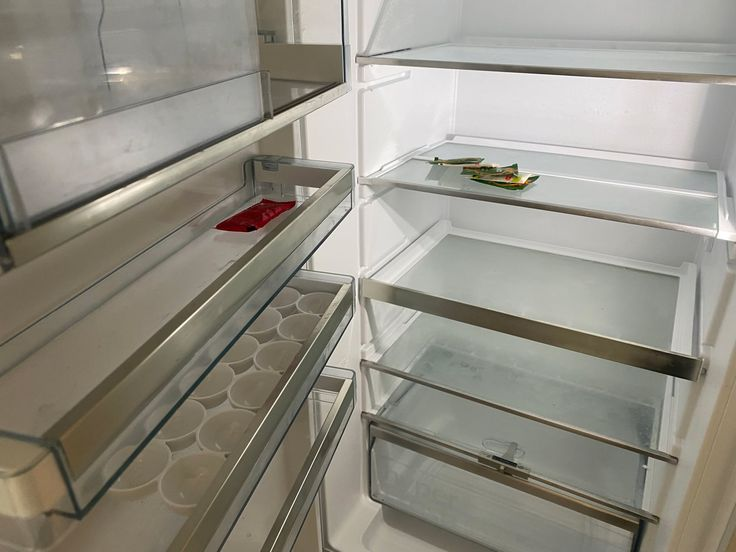
(2)、The first move: food seal
Many families are used to putting the opened cans, cut fruits or leftover meals directly into the refrigerator. This practice is easy to expose food to the circulating air in the refrigerator, which not only leads to water loss and odor, but also causes bacteria in the environment to adhere to the food surface. Before putting food in the refrigerator, it is recommended to take the following sealing measures:
1. selection of sealed container
Glass or food-grade plastic crisper is suitable for storing leftovers and cut fruits, with good sealing and easy stacking.
2. use cling film or sealed bag
When covering the bowl, the plastic wrap should be close to the edge to ensure a seal. When handling fresh meat, the sealed bag can effectively block the leakage of juice.
The significance of sealing is to establish a physical barrier for food, not only to prevent the invasion of external bacteria, but also to prevent the internal juice from polluting the refrigerator environment.
(3)、The second move: raw and cooked stratification
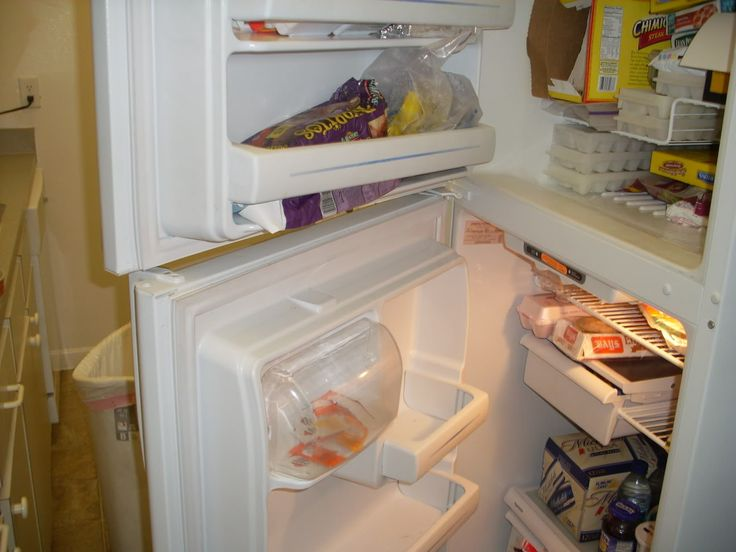
Many families are used to stuffing the purchased ingredients into the refrigerator at will. This practice has certain safety hazards. Listeria and other pathogenic bacteria may be carried in raw meat, poultry, aquatic products and their juices. If mixed with directly imported cooked food, fruits and ready-to-eat food, it is easy to cause cross contamination. The reasonable approach is to follow the principle of “separation of raw and cooked, layered storage:
1. Cold room upper: cooked food and ready-to-eat food
The upper temperature of the refrigerator compartment is relatively constant, and there is no risk of dripping pollution. It should be stored here:
①. Leftovers (must be sealed).
②. Dairy products (milk, yogurt).
③. Ready-to-eat food (ham, cut fruit).
2. Cold storage room lower: raw food
Raw meat, seafood and poultry must be placed in the lower layer of the refrigerator.
①. Reason
Under the action of gravity, the juice will only drip down. Put raw meat in the lower layer, even if there is blood seepage, it will not pollute the vegetables in the lower layer, and it
will not drip to the cooked food in the upper layer.
②. Advanced Recommendations
In order to avoid cross-contamination, raw meat is best served in a special basin or tray and sealed in the lowest layer of the refrigerator compartment.
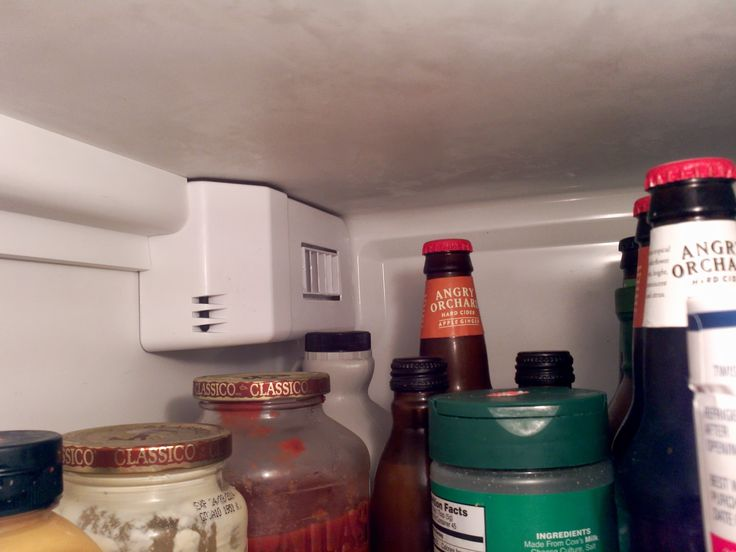
(4)、The third move: regular cleaning
The stains and water inside the refrigerator are an ideal place for listeria to live and breed. If not cleaned up in time, these bacteria will continue to contaminate the fresh food that is subsequently placed.
Practical Guide
1. empty the refrigerator
It is recommended to clean the refrigerator once a month. Unplug and get all the food out of the fridge.
2. cleaning method
①. Alcohol disinfection method
Use 75% medical alcohol to moisten a rag or kitchen paper towel and thoroughly wipe the inner wall, partition and sealing strip of the refrigerator. Alcohol can denature the protein of Listeria monocytogenes, thus killing them quickly.
②. Chlorine-containing disinfectant wiping method
According to the statement, dilute the chlorine-containing disinfection tablet or 84 disinfectant into a solution with an effective chlorine concentration of 200-500mg/L, wipe the inside of the refrigerator, and then wipe it with a clean water cloth after standing for 15 minutes to avoid residue.
③. White vinegar soaking method
For removable drawers, partitions and other parts, remove them and place them in a solution of white vinegar and water mixed in a ratio of 1:1, and soak for 20 minutes. The use of acetic acid acid to destroy the cell structure of Listeria, so as to achieve the purpose of disinfection.④. Exposure drying method
For removable small accessories (such as sealing strips, small trays), after cleaning, placed in the sun exposure for 2-4 hours, ultraviolet rays have a natural bactericidal effect.
3. wipe dry and power on
After cleaning, dry all surfaces with a clean cloth, and open the refrigerator door for ventilation for a period of time, and then use the electricity after the interior is completely dry.
Conclusion
Refrigerator health is directly related to the health of the whole family, to prevent listeria must rely on daily meticulous management. Sealed storage of food can effectively avoid cross-contamination, reasonable layering can block the spread of bacteria, regular and thorough cleaning can eliminate potential hazards. As long as these measures are put in place, we can fully minimize food safety risks. Starting today, carefully check the refrigerator at home, make these simple protective actions a habit of life, and build a truly solid health defense for the family.


