Causes and solutions for increased microwave oven noise
Creating a cozy summer home that serves as a peaceful retreat requires careful selection of appliances that enhance comfort without compromising on style or efficiency. At Appliances 4 Less Little Rock, we cater to residents in Little Rock, Benton, Conway, and Pine Bluff with an array of open box, scratch, and dented appliances that are perfect for elevating your summer living. Here’s our guide to the essential appliances for a cozy summer home.
Have you ever been troubled by a sudden “rumbling” noise coming from your microwave while it’s running, or by a noticeable increase in noise compared with when it was new? Just as precision instruments require regular calibration to maintain their performance, changes in a microwave’s noise level often signal component wear or improper use.
.png)
1、The Six Core Causes of Microwave Oven Noise
Bearing wear in the turntable motor: As one of the most wear-prone components, dry lubricant or foreign-material ingress can cause a “clicking” friction noise, accounting for approximately 40% of all noise-related failures. Tests have shown that turntable motors used for more than five years experience an average noise increase of 15 decibels.
Cooling fan system anomaly: Dust accumulation on the fan blades or bearing wear can generate a high-frequency “whistling” noise. Inverter-driven units are more prone to this issue due to their continuous cooling requirements. As the system ages, the noise level may increase by 20 to 30 decibels.
High-voltage transformer resonance: transformer winding loose or iron core aging will produce low-frequency "buzzing" sound under the action of electromagnetic field, which may cause abnormal operation of magnetron in severe cases.
Magnetron installation misalignment: When the coupling gap between the magnetron and the waveguide exceeds the standard 5mm, the microwave transmission efficiency decreases and mechanical vibration noise occurs.
Loose furnace cavity structure: loose screws or corrosion of riveting points will cause furnace body resonance, which is manifested as "da da" abnormal noise. UL standard requires furnace cavity structure to withstand 5000 times of vibration test without damage.
Power supply voltage fluctuation: voltage instability will make the motor speed abnormal, resulting in "high and low" noise, need to be confirmed by multimeter detection, the normal working voltage should be 110-120V.
.png)
2、Solution and Practical Operation Details
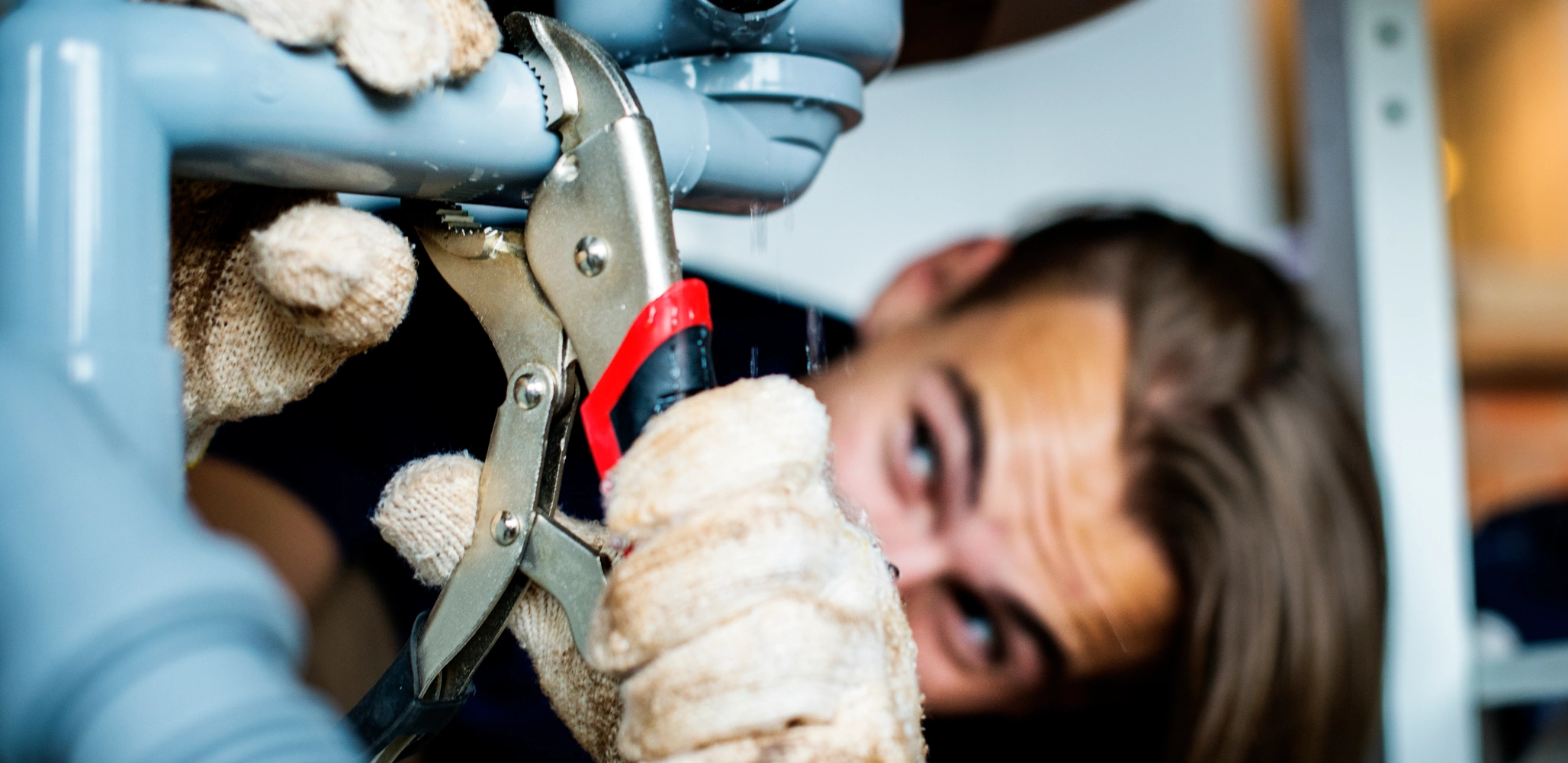
Maintenance of rotary table motor: remove the rotary table bracket after power failure, check the motor resistance with multimeter (normal 200-500Ω), and replace the motor of the same model if abnormal. Apply high-temperature grease during installation, and calibrate the gear meshing degree to avoid eccentric operation.
Cleaning of the fan system: remove the fan cowl, remove the dust on the blade with a soft bristle brush, and check the bearing for wear. If replacement is required, select a UL certified fan with matching speed (1500-2000 r/min W) and power (18-24W).
Maintenance of high-voltage components: transformer winding is loose and needs to be impregnated and fixed again; If the magnetron is aging, the coupling gap needs to be replaced and calibrated, and a feeler gauge is used to ensure a standard spacing of 3-5mm. This operation should be done by a certified technician to avoid the risk of high voltage electric shock.
Structural fastening and sealing: use a torque wrench to fasten the furnace cavity screws according to 4-6N · m standard torque. The door seal needs to be replaced for aging and the sealing performance needs to be verified by "paper test method"-after closing the furnace door, if the paper can be easily drawn out, it needs to be adjusted.
Power supply voltage stability: install a voltage regulator or check the circuit load to ensure that the microwave oven socket is not shared by other high-power electrical appliances to avoid noise caused by voltage fluctuations.
.png)
3、Maintenance Details and Safety Instructions
Regular maintenance cycle: It is recommended to clean the turntable track and fan blades every 6 months, and conduct professional maintenance every 2 years, focusing on checking high-voltage components and circuit systems.
Safety operation specification: before maintenance, power must be cut off and the capacitor discharge must be confirmed. Insulating gloves must be worn when removing high-voltage components.
Accessories selection criteria: the replacement parts need to choose the original factory or UL certification model, such as turntable motor need to match the original machine power and speed, to avoid secondary failure caused by mismatch.
Abnormal noise identification: sharp "squeak" sound may indicate capacitor failure, continuous "buzzing" sound and accompanied by peculiar smell should be immediately cut off and contact professionals to prevent fire risk.
.png)
Conclusion
The noise of the microwave oven is not a simple aging problem, but a direct reflection of the state of the components and the operating specifications. By mastering these scientific principles and practical techniques, you can not only effectively address noise issues but also extend the lifespan of your equipment and ensure household electrical safety.