Gas stove automatic flameout fault solution
Creating a cozy summer home that serves as a peaceful retreat requires careful selection of appliances that enhance comfort without compromising on style or efficiency. At Appliances 4 Less Little Rock, we cater to residents in Little Rock, Benton, Conway, and Pine Bluff with an array of open box, scratch, and dented appliances that are perfect for elevating your summer living. Here’s our guide to the essential appliances for a cozy summer home.
Have you ever encountered the trouble that the gas stove automatically turns off a few seconds after ignition? Next, I will combine the working principle and practical operation experience of the gas stove to disassemble the root cause of the fault for your system, and provide step-by-step troubleshooting guidelines and solutions to help you quickly restore the normal use of fire in the kitchen.
.png)
1. The core principle of automatic flameout
The essence of the automatic flameout of the gas stove is that the flameout protection device is playing a role. The device consists of a thermocouple (or ion sensing needle) and a solenoid valve, forming a "sensing-control" closed loop:
Thermocouple type: flame heating thermocouple produces micro-current, driving the solenoid valve to keep open; after the flame is extinguished, the thermocouple is cooled, the current disappears, and the solenoid valve automatically closes the gas source within 3-10 seconds.
Ion induction type: by detecting the flame conductivity to maintain the solenoid valve open, flameout after 4-6 seconds of rapid gas, higher safety.
When the device misjudges "no fire", there will be a "false fault" of automatic flameout after ignition ".
.png)
2. From simple to complex system troubleshooting steps
The first step: basic operation optimization
Extend the pressing time: after ignition, keep the knob pressed for 5-10 seconds to ensure that the thermocouple is fully heated and generates enough current.
Air door adjustment and calibration: open the cabinet door at the bottom of the stove, find the air door paddle (usually located at the bottom of the stove), and fine-tune it left and right in the ignition state until the flame is stable blue cone and completely covers the sensor needle. The displacement of the damper is a common cause of flame drift and induction failure.
Step 2: Key parts cleaning and maintenance
Dredge the fire cover and the fire outlet hole: long-term oil or food residue is easy to block the center hole of the fire cover and the surrounding fire outlet hole, resulting in uneven flame distribution. Use a toothpick or paper clip to clear the fire hole, especially to ensure that the flame in the central fire hole can burn stably to the sensor needle.
Sensor needle cleaning and grinding: sensor needle (brass color fine needle) surface oil or carbonization will hinder temperature sensing. Gently polish the metal tip of the induction pin with fine sandpaper until it is bright to restore its thermal conductivity.
Step 3: Electrical system inspection
Battery status confirmation: check whether the battery compartment is rusty, whether the battery is installed reverses or the insulating cap is not torn off. When installing a new battery, it is necessary to ensure that the positive and negative electrodes are in good contact to avoid insufficient current due to poor contact.
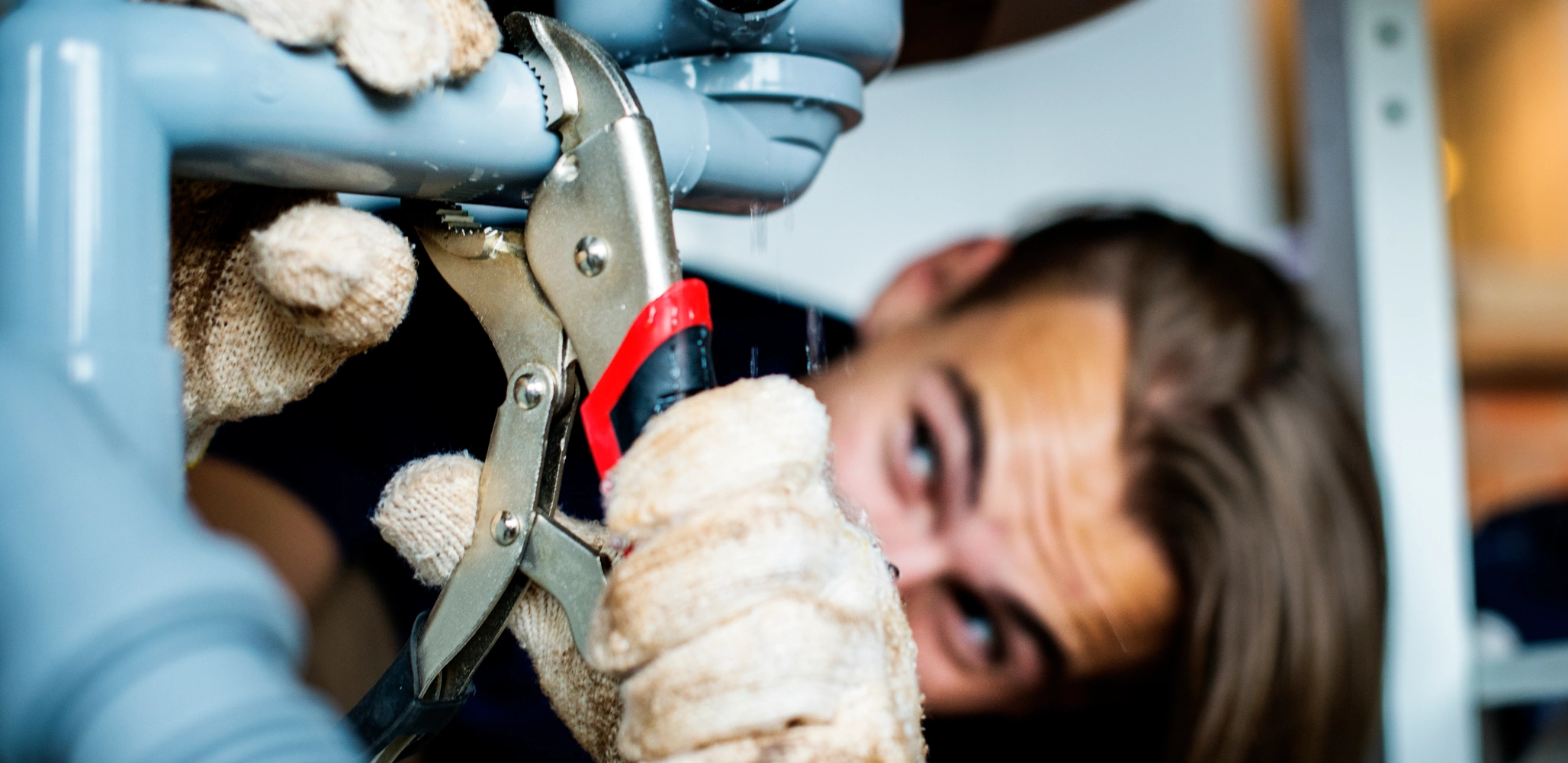
Solenoid valve connection detection: check whether the solenoid valve wiring is loose, especially whether the thermocouple wire (yellow) is tightly inserted. Use pointed-nose pliers to gently push the plug to ensure that the connection is stable, and eliminate the wiring fault.
.png)
3. Advanced Solutions and Prevention Strategies
Troubleshooting:
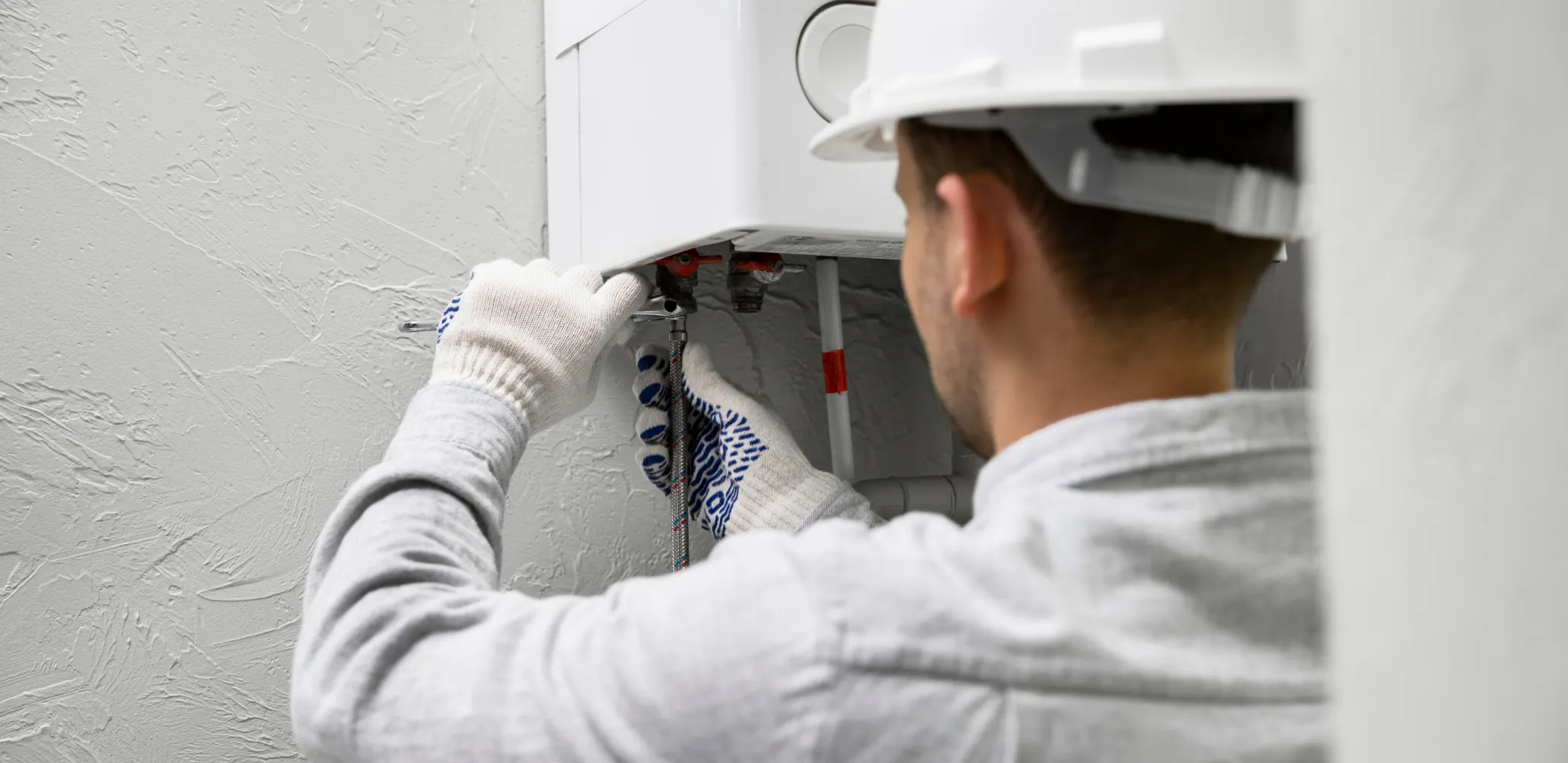
If the above steps do not work, it may involve aging of the solenoid valve, damaged thermocouple or circuit failure. It is recommended to contact professional maintenance personnel for testing to avoid warranty invalidation or safety risks caused by self-disassembly.
Daily precautions:
Regularly clean the fire cover, induction needle and stove surface to avoid oil accumulation.
Use to avoid soup overflow dousing the flame, to prevent the induction needle damp failure.
Self-test every six months: after igniting the minimum fire, block the sensor needle and confirm that the automatic flameout function is normal within 60 seconds.
.png)
Conclusion
When encountering a failure that cannot be solved by itself, it is safer to contact professionals in time. I hope this guide can restore your gas stove to stable work and protect the peace of mind and delicious taste of every cooking.